Blood Stocks Are Alarming in Portugal: A Few Days of Reserves Remain
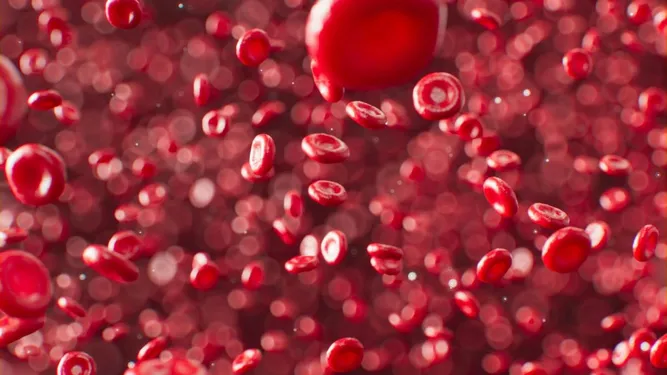
When the summer months come, the streets in Portugal become lively and we go into holiday mode, but the same critical situation occurs behind the healthcare system every year. There is a serious squeeze on blood stocks this summer. Donor organizations and associations in the field are making an urgent appeal, stating that the reserves in some blood groups have decreased to a level that will only cover 2-3 days of consumption.
Although the official Portuguese Institute of Blood and Organ Transplantation (IPST) says that strategic reserves are generally under control and there is no interruption in shipments to hospitals, data from the field by donor federations shows that the situation is not very comfortable.
Critical Blood Groups and Needs
The Portuguese Federation of Voluntary Blood Donors (FEPODABES) reports that stocks have fallen to approximately 40% of the ideal level, especially in blood groups A positive, A negative, O positive, O negative and B negative.
An average of 1,000 to 1,100 units of blood donations are required per day to meet the routine needs of hospitals and emergency services across the country without any problems. Regionally speaking, Lisbon, the North and the Centre, even though the situation seems a little more balanced, especially in the south; B positive stocks in the Alentejo, B negative and O positive stocks on the Algarve side are below the critical threshold.
It's Not Just Holiday Laziness: Staff Shortage Hits Sessions
When people travel and change their routines during the summer months, donation rates always decrease; This is a known situation. However, another important part of the problem this year is the lack of healthcare personnel.
Federation President Paulo Cardoso states that some planned mobile blood collection sessions had to be canceled due to the lack of doctors and nurses, which both frustrated the efforts of local associations and deterred donors. Although IPST accepts this restriction, it argues that only 40 (approximately 1.8%) of the 2,094 sessions planned in the first half of the year were postponed and that they have taken new measures to recover the organization.
The Lifespan of a Platelet is Only 7 Days
The most sensitive point is that the collected blood cannot be stored indefinitely. While red blood cells can be stored for a maximum of 42 days, the shelf life of vital platelets is only 7 days. That's why the logic of "we give it once, it's enough for a long time" does not work in the health system; The flow must continue regularly every week.
While institutions are using mobile devices to attract the young population to the system, they are trying to reach new donors with campaigns such as accommodation incentives in youth hostels. If you are eligible to donate blood, stopping by a mobile donation point or health center in your area and spending half an hour can directly save someone's life.
Source: The Portugal News / Jornal de Notícias (Kate Sreenarong)
Image Source: Unsplash (Anirudh)
Visit the original source to read full details.
Go to Source ↗