Parking fees in Lisbon will increase for the first time in 15 years.
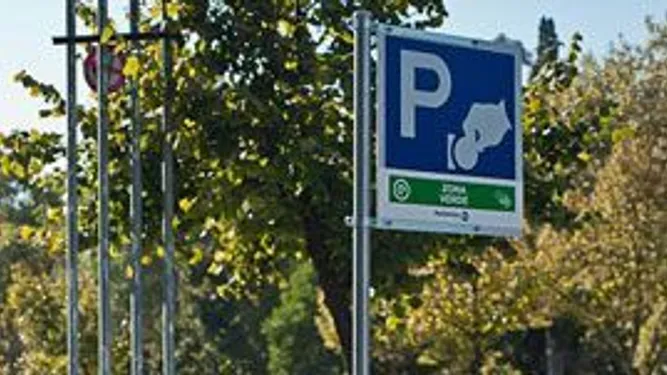
According to Lusa, the proposal will be presented at the next special meeting of the Lisbon City Council executive committee and, if approved, hourly parking fees will increase by between €0.05 and €0.10, depending on the parking zone. The revision is based on the cumulative increase in Portugal's Consumer Price Index (CPI), forecast at 4.82 percent between 2024 and 2025, and aims to reflect inflation while supporting the financial sustainability of the city's parking operator Empresa Municipal de Mobilidade e Estacionamento de Lisboa ( EMEL ). Operating costs According to the proposal, the hourly tariff in green zones will increase from €0.80 to €0.85, in yellow zones from €1.60 to €1.70 and in brown zones from €2.00 to €2.10. A new rate of €3.15 per hour is also proposed for black zones, replacing the current rate of €3.00; However, these zones only exist under EMEL's regulations and have not yet been implemented anywhere in the city. According to the proposal signed by Gonçalo Reis, Deputy Mayor of Lisbon and councilor responsible for transport projects, parking fees have remained unchanged for nearly 15 years, despite increasing operating costs. This document argues that updating tariffs is necessary to maintain a sustainable transport model and ensure that EMEL can continue to invest in transport infrastructure and services. Revenue raised through EMEL supports a number of transport projects across Lisbon; these include the expansion of the city's Gira public bike sharing network, new cycling infrastructure, the operation of municipal car parks and the management of the capital's traffic light system. According to EMEL, limited-time parking areas are divided into color-coded zones based on parking demand. This system is designed to increase the frequency of parking spaces and improve access for residents, visitors and local businesses. Green zones cover areas with lower parking density, while yellow and red zones apply to increasingly denser areas; brown zones are reserved for areas where demand significantly exceeds the number of available parking spaces.
Visit the original source to read full details.
Go to Source ↗