Government rejects VAT reduction on fuel and food: Sarmento said "It will create a deficit in 2027"
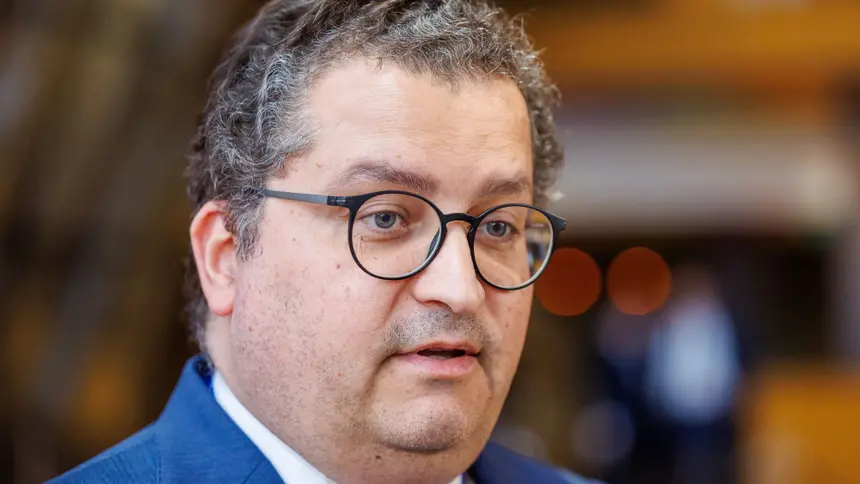
While the tax reduction debate is growing following rising fuel prices in Portugal, Minister of Finance Joaquim Miranda Sarmento argued that reducing the VAT on fuels from 23 percent to 13 percent and applying zero VAT on basic food products could drag public finances into deficit again in 2027.
Calculating the total annual cost of the two measures brought forward by PS and Chega as approximately 2 billion euros, Sarmento stated that the government preferred income support and existing fuel tax mechanisms instead.
Government account: Approximately 2 billion euros
According to the information given by the Minister of Finance to Lusa, the annual budget impact of the VAT reduction on fuels may be approximately 1.2 billion euros, and the impact of zero VAT implementation on the basic food basket may be approximately 800 million euros.
Sarmento stated that the budget surplus expected for 2027 was not of this size and argued that if the two measures were adopted without counter-financing, a budget deficit would occur.
This assessment is a government estimate; These tax changes have not entered into force and their final fiscal impact will depend on the scope of implementation, consumption behavior and economic conditions.
What do PS and Chega want?
Following the rise in fuel prices, both PS and Chega brought to the agenda the temporary reduction of the VAT rate applied on fuels from 23 percent to 13 percent.
Zero again in basic food products Implementation of VAT is also among the measures discussed.
The government, on the other hand, advocates measures that support household incomes rather than directly intervening in prices through VAT.
The package announced by the Council of Ministers on September 17 included a new IRS discount, an extraordinary additional payment to retirees, 38 million euros of support to sectors particularly affected by fuel costs, and the continuation of the reduction in the petroleum products tax ISP until the end of the year.
Fuel debate moves to OE2027
Another important dimension of the discussion is the 2027 State Budget.
The government is expected to submit the OE2027 proposal to Parliament by October 10. Since the government led by Luís Montenegro does not have an absolute majority, the adoption of the budget depends on negotiations with opposition parties.
Sarmento said the government had not identified a single "preferred" partner on the budget and would discuss it with the parties in Parliament.
Therefore, the tax burden on fuel and food will be one of the important topics not only in the cost of living debate but also in the 2027 budget negotiations in the coming weeks.
What has changed now from a driver perspective?
The discussed VAT reduction is not a practice that has come into force at this stage.
For drivers, the current support mechanism continues through ISP. For this reason, it is necessary to distinguish between the price seen at the pump and the VAT proposals discussed in Parliament.
Fuel prices If it continues to rise, additional intervention pressure on the government is expected to continue.
Resources
RTP / Lusa — 20 September 2026
https://www.rtp.pt/noticias/economia/miranda-sarmento-avisa-que-descida-do-iva-nos-combustiveis-e-alimentacao-levaria-pais-a-defice_n1766586
XXV Governo Constitucional — 17 September 2026
https://portugal.gov.pt/gc25/comunicacao/noticias/governo-reforca-rendimentos-e-apoios-perante-subida-dos-combustiveis
RTP — September 19, 2026
https://www.rtp.pt/noticias/economia/oposicao-exige-mais-medidas-para-conter-preco-dos-combustiveis_v1766536
Visit the original source to read full details.
Go to Source ↗