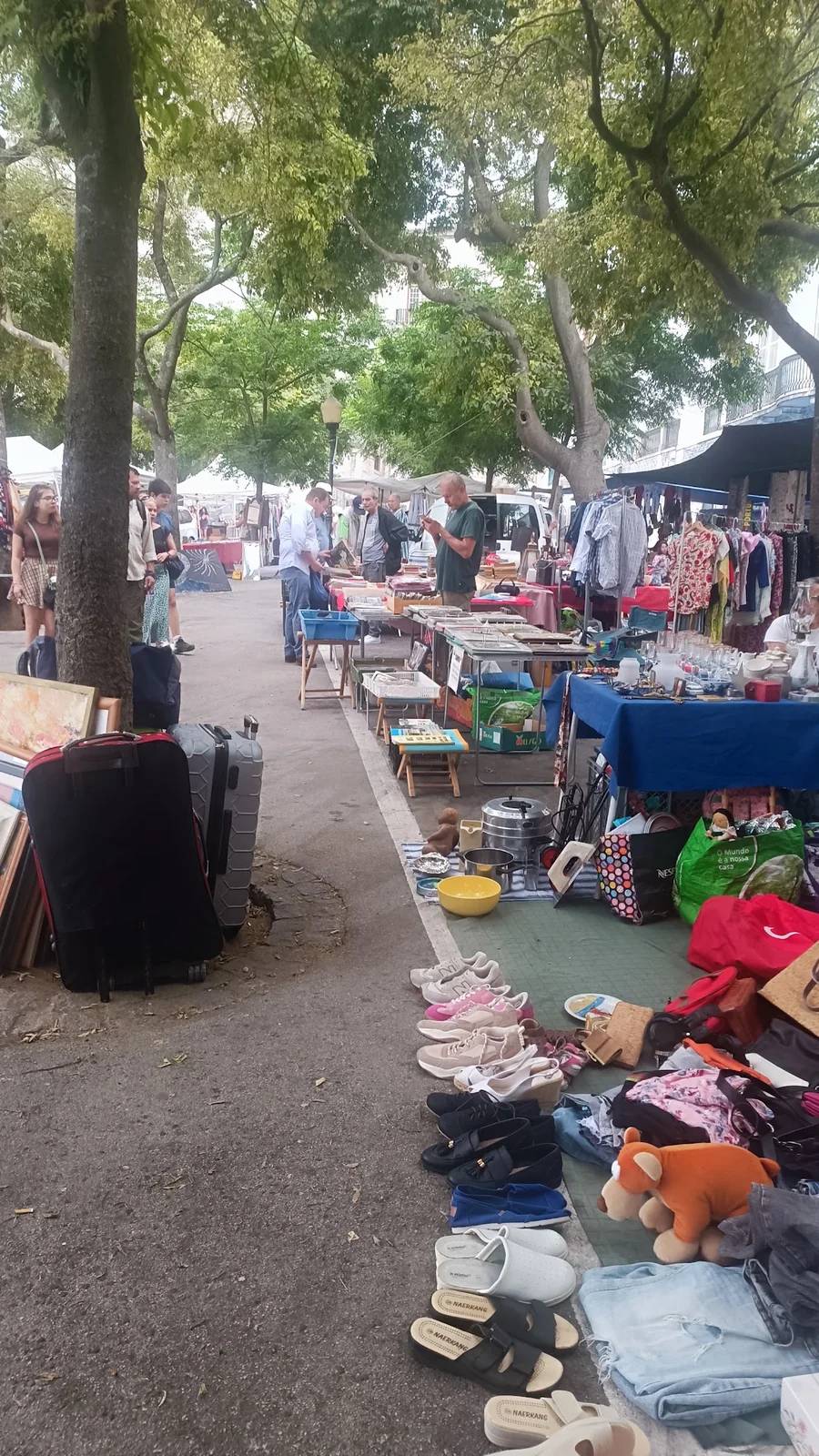
What El Rastro is to Madrid, Portobello Road to London, and Marché aux Puces to Paris, Feira da Ladra is precisely to Lisbon. Like the iconic historic flea markets across major European capitals, this centuries-old open-air bazaar brings locals, passionate collectors, and global travelers together under Lisbon's luminous sky.
If your journey leads through Lisbon's historic São Vicente quarter, you will immediately notice the unmistakable buzz of Feira da Ladra held at Campo de Santa Clara square. Having survived earthquakes, fires, political revolutions, and urban transformations, this is far more than a second-hand market—it is Lisbon’s living cultural soul.
1. Origins and the Mystery of the Name
From King Afonso Henriques and Afonso III to Campo de Santa Clara
The market's origins date back to the late 12th century, shortly after King D. Afonso Henriques captured Lisbon in 1147. Formal written administrative records point to 1272 during King Afonso III's reign, when it was founded as Mercado Franco de Lisboa (Lisbon Free Market) right beneath the southern ramparts of São Jorge Castle at Chão da Feira.
As medieval Lisbon expanded beyond its ancient walls, the market shifted to Rossio Square around 1430. The 1552 municipal census (Estatística Manuscrita de Lisboa) vividly documents its thriving trade.
The catastrophic 1755 Great Lisbon Earthquake and subsequent tsunami destroyed the lower district, forcing commercial reorganizations. The market transitioned through Praça da Alegria and Campo de Santana before permanently establishing itself at Campo de Santa Clara in 1882. A 1903 municipal ordinance cemented the current Tuesday and Saturday schedule.
| Historical Era | Location | Urban & Political Context |
|---|---|---|
| 1147 – 1272 | Chão da Feira (São Jorge Castle) | Initial free market setup following the Christian conquest. |
| 1430 – 1755 | Rossio Square | City expansion outside ancient walls; primary commercial hub. |
| 1755 – 1823 | Praça da Alegria / Cotovia | Post-1755 Great Lisbon Earthquake urban restructuring. |
| 1823 – 1882 | Praça da Alegria & Campo de Santana | Temporary relocations and local merchant resistance. |
| 1882 – Present | Campo de Santa Clara | Permanent home; Saturday schedule formally ratified in 1903. |
Where Does "Ladra" Come From? Thief or Virgin Mary?
Because "Ladra" translates literally to "Female Thief" in Portuguese, popular folklore has persistently suggested that stolen goods were fenced here. However, rigorous linguistic and archival research points to much deeper etymological theories:
- Andalusian Arabic (al-aadraa / Al Hadra): Meaning "The Virgin" (referring to Our Lady / Nossa Senhora), originating from an ancient shrine present during Islamic rule.
- Old Portuguese "Ladro": An archaic Portuguese term describing wood-boring larvae and fabric beetles common in antique timber and second-hand garments.
- French "Saint-Ladre / Saint-Lazare): Originating from medieval French flea markets traditionally situated near leper hospitals (Lazar houses).
- Geographical "Lada": An ancient word signifying a steep riverbank or hillside slope overlooking the Tagus River.
The name "Feira da Ladra" was first officially recorded in Lisbon municipal statutes (postura) in 1610.
2. Market Rules, Safety & Azulejo Legislation
Public Safety & Order
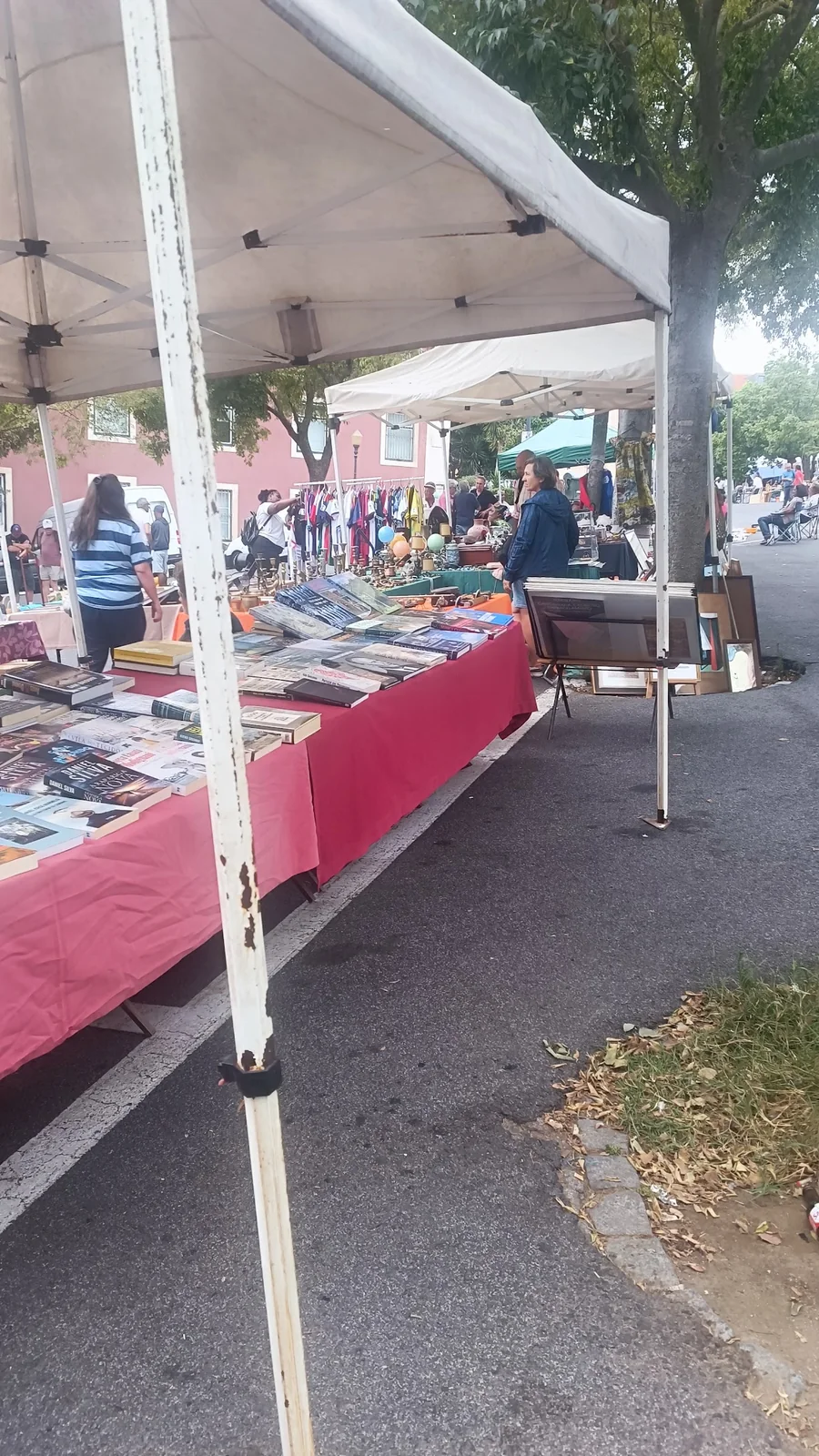
While pickpocketing was historically associated with crowded flea markets, modern market days are heavily monitored by active patrols from the Polícia de Segurança Pública (PSP) and Municipal Police. The atmosphere is safe and family-friendly, though reasonable awareness of personal belongings remains good practice.
Lisbon Municipality (CML) Vendor Regulations
The market operates under strict oversight by the Lisbon City Council (Câmara Municipal de Lisboa - CML). Every seller (feirante) is subject to licensing:
- Permanent Licenses: Fixed pitches allocated through open public lotteries (sorteio público).
- Temporary Permits: 1 to 3-month permits issued via Loja Lisboa-Lumiar or local Freguesias.
- Student Permits: Young traders aged 16–25 can access discounted slots up to 4 times annually.
⚠️ Buying Historic Portuguese Ceramic Tiles (Azulejos)
Portuguese glazed ceramic tiles (Azulejos) are national cultural treasures. Sourcing and selling tiles stripped from historic building façades is illegal and actively prosecuted in collaboration with S.O.S. Azulejo and MAPA projects.
If you observe rough mortar, lime, or dried cement residue on the back of a tile, it was likely illegally ripped from a building. For a legitimate purchase, ask licensed antique dealers for invoices and certificates of origin, or purchase modern handcrafted replicas made using traditional techniques.
3. Market Anatomy & Collectors' Radar
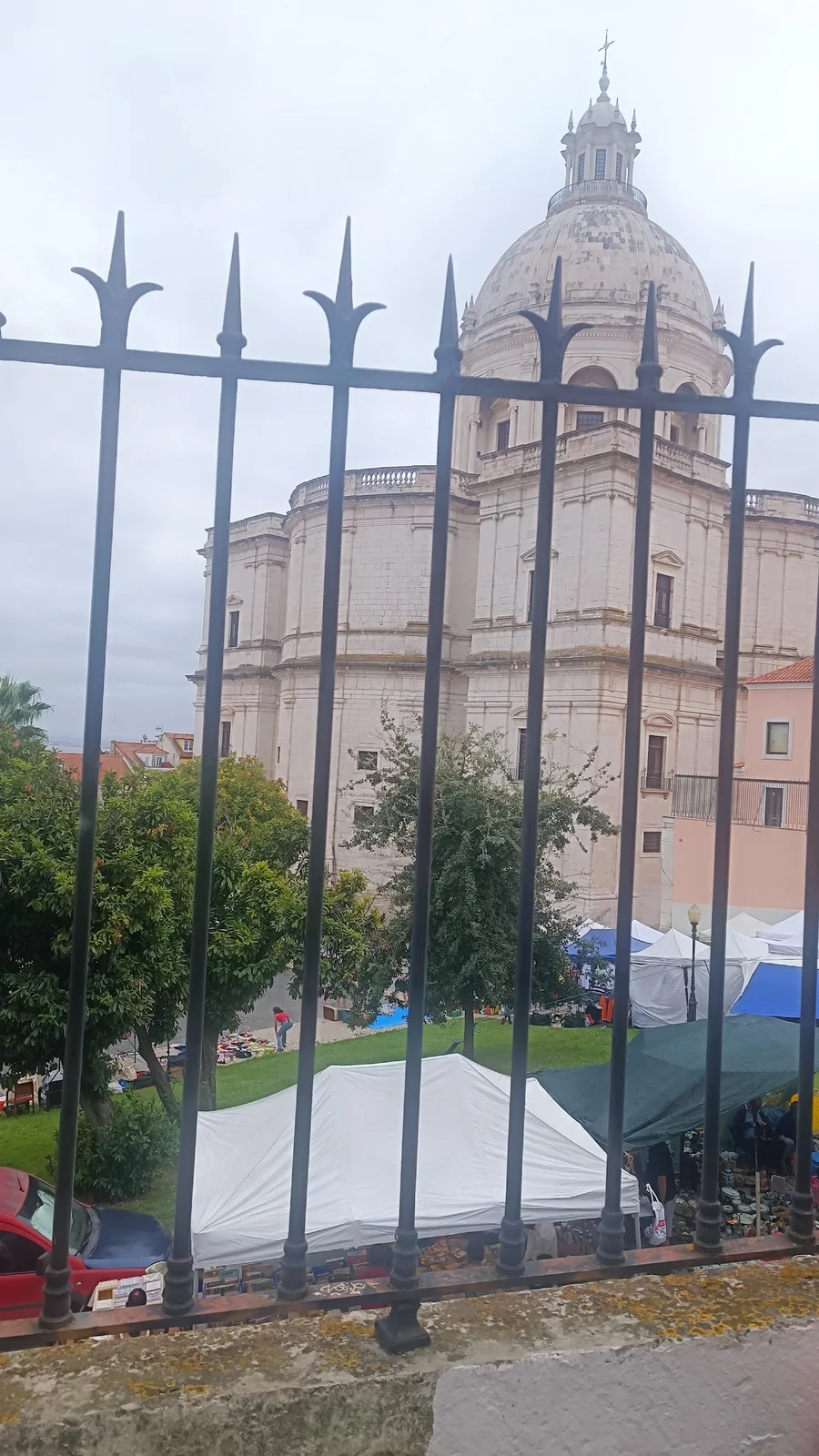
As you wander down Campo de Santa Clara, the profile of items evolves across different sections:
- Upper Ring & Established Shops: Licensed antique dealers, 18th/19th-century furniture, silver sets, porcelain, and certified fine art.
- Antiquarian Booksellers (Alfarrabistas): Historic maps, vintage engravings, classic literature, and nostalgic postcards.
- Curated Collectors: Mechanical wrist and pocket watches, analog cameras (Leica, Zeiss Ikon, Agfa), and brass maritime navigational tools.
- Original Art & Illustration: Canvases depicting the iconic yellow 28 tram, Alfama alleys, and Transtejo commuter ferries on the Tagus.
- Middle & Lower Ranks: Rugs spread across the ground (panos no chão) featuring eclectic second-hand domestic curiosities and vintage electronics.
Watch Collector's Guide: Finding the Rare "Pearl"
Hunting for vintage mechanical timepieces requires sharp eyes and patience. While many stalls display fashion quartz watches jumbled in crates, discerning collectors occasionally discover gems like a classic Cartier Tank or a WWII-era military mechanical Tissot (which might be negotiated around €150 depending on condition).
⏱️ Mechanical Watch Inspection Checklist:
- Dial Condition & Moisture: Uneven dial spotting or oxidation indicates water damage. Distinguish genuine aged patina from corrosive moisture ingress.
- Winding Crown Action: Feel the mechanical resistance during manual winding and verify smooth hand synchronization.
- Restoration Feasibility: Factor in servicing and component replacement costs when negotiating your final price.
4. Field Tactics & Bargaining Protocol
Tuesday vs. Saturday: Which Day to Choose?
- Tuesday Market: Lower tourist crowds; antique dealers and serious collectors trade among themselves. Premium collector pieces often sell on Tuesdays.
- Saturday Market: The market expands to its full perimeter; lively festival atmosphere, buskers, and full artisan stalls.
⏰ Strategic Time Windows:
- 07:30 – 09:00 (Collector's Hour): Stalls set up; the finest rare finds are secured early.
- 09:00 – 13:00 (Peak Visiting Window): Vibrant energy, maximum variety, and social buzz.
- 14:00 – 16:00 (Closing Deals): Vendors pack up and offer their steepest discounts to avoid hauling heavy stock back.
Handy Portuguese Bargaining Phrases
| Portuguese Phrase | Pronunciation | When to Use |
|---|---|---|
| Quanto custa isto? | Kwan-too koos-tuh eesh-too? | Asking the starting price. |
| Pode fazer um desconto? | Poh-deh fuh-zair oom desh-kohn-too? | Politely asking for a discount. |
| Qual é o seu melhor preço? | Kwahl eh oo seh-oo mehl-yor preh-soo? | Inquiring about their final rock-bottom price. |
| Se levar dois, faz mais barato? | Seh leh-vahr doysh, fahz mysh buh-rah-too? | Securing a discount when purchasing multiple items. |
| Pago em dinheiro. | Pah-goo aym deen-yay-roo. | Offering cash payment as leverage. |
Payment Reality: Cash is King
Open-air stalls do not operate POS card terminals. While locals use MB WAY, international travelers strictly need cash (dinheiro). ATMs around the square frequently run out of banknotes on market days; withdraw sufficient cash beforehand at Santa Apolónia Station or Largo da Graça.
5. Neighborhood Highlights & Dining
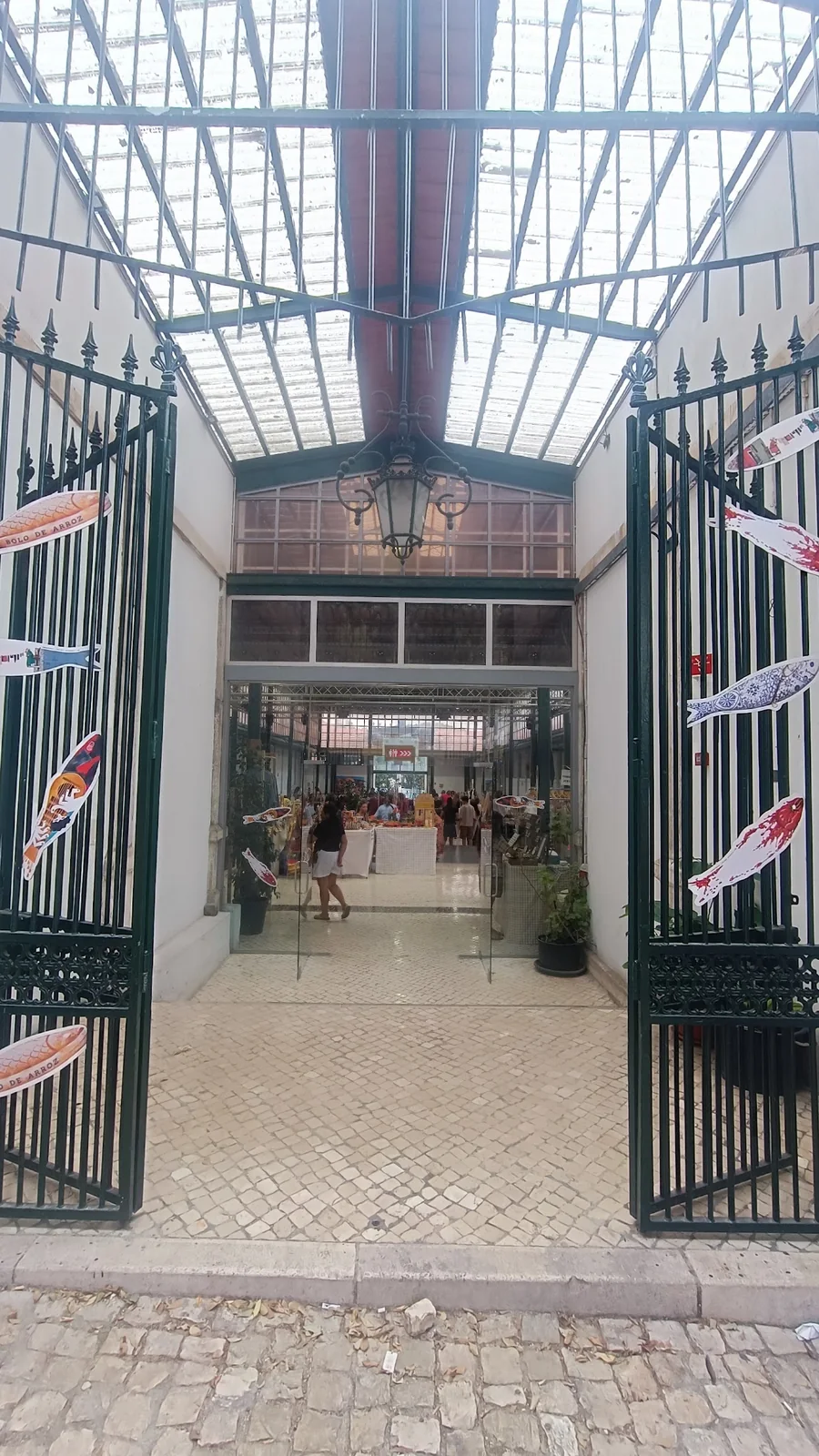
At the center of the square stands the 1877 cast-iron and glass Mercado de Santa Clara, home to artisan studios. Upstairs, Santa Clara dos Cogumelos offers an inventive mushroom-themed menu, while surrounding streets are lined with traditional Portuguese tascas. If you are exploring permanent housing options in historic São Vicente or Alfama, explore our comprehensive Portugal Tenancy & Rental Guide.
Surrounding Landmarks:
- Panteão Nacional (Santa Engrácia): A grand Baroque dome with a panoramic rooftop terrace overlooking the Tagus River and the market grounds.
- Mosteiro de São Vicente de Fora: Renowned for its 18th-century azulejo panels and the Royal Pantheon of the House of Braganza.
- Jardim Botto Machado (Clara Clara Café): A shaded public garden offering relaxed espresso with splendid river vistas.
🗺️ Interactive Location & Transit Map
For navigating Lisbon's transit system, parking, and street apps seamlessly, check out our guide on Top Useful Mobile Apps in Portugal.
🚋 Historic Tram (28E)
Alight at Voz do Operário or Graça, then walk 200m downhill.
🚇 Metro (Blue Line)
Alight at Santa Apolónia; walk 8–10 mins uphill via Calçada dos Cacilheiros.
🚌 Carris Bus
Lines 712 or 734 terminate directly at Campo de Santa Clara square.
🚶 Walking Route
Picturesque walk through Alfama and Graça along Calçada de São Vicente.
BIBLIOGRAPHY & OFFICIAL REFERENCES:
- Câmara Municipal de Lisboa (CML) Municipal Archives and Ordinances
- Estatística Manuscrita de Lisboa (1552 Census Records)
- Portuguese Cultural Heritage Tile Protection Registry (S.O.S. Azulejo & MAPA)
- Olisipographical Studies & Lisbon Urban History Institute Publications