Will the Government's REN Move Really Reduce Bills? The truth is different
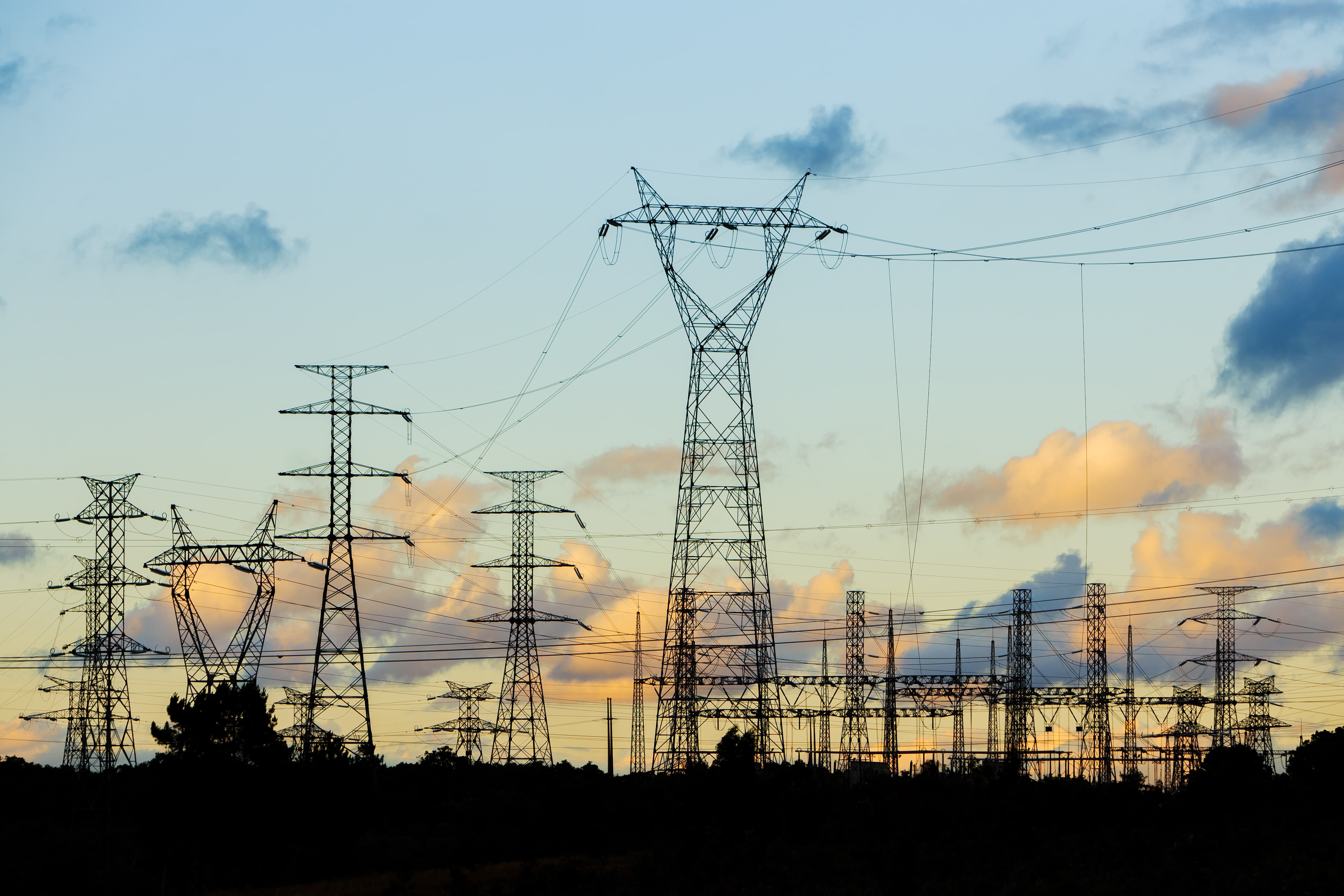
One of the most talked about topics of recent days is that the Portuguese government has become a partner in the national energy network REN and received a 13.7% share. Prime Minister Luís Montenegro says that this step will reduce electricity bills in the medium and long term, but when we look at the picture on the ground and the context of the situation, this does not seem to be the case.
Experts who follow the energy sector closely also agree on the same point: This move alone will not ease the bill for any of us.
Where is the Main Burden of the Invoice?
When you look at the numbers, the situation is very clear. As former Endesa Portugal president Nuno Ribeiro da Silva underlined, the cost of electricity transmission accounts for only 4% to 5% of the bill we receive at the end of the month.
The part that really puts a strain on our pockets is not the transmission; taxes, contract fees and other operational items of the system. Naturally, it is not a realistic approach to create an expectation that "bills will decrease" over a step that will only affect 5% of the pie.
Is the Problem in Management or Security Cost?
REN is not a poorly managed institution anyway. Moreover, the major power outage we experienced on April 28, 2025 did not originate from Portugal. However, the strict security and durability criteria that came into effect after that outage naturally increased grid operating costs. While on the one hand, there are mandatory investments made to prevent the system from collapsing, on the other hand, it does not seem possible to expect the tariffs to decrease on their own.
As former Minister of Energy João Galamba stated; REN does not invest as it wishes, it only carries out projects approved by the government and applies the tariffs determined by the regulatory body ERSE. In other words, having a state share in the company does not magically change the mechanism.
The System Model Must Change, Not the Ownership
The real issue we need to talk about here is not whether the state has shares in the company or not, but how the system is structured.
Experienced names in the industry point to the UK example as a solution:
Separating ownership of the grid from strategic planning and operation of the system.
To open up space for the state to directly control strategic decisions without purchasing minority shares worth millions of euros.
In short, the state's partnership with REN may be a political choice for the public good, but it will not work a miracle on the electricity bill at the end of the month.
Source: Eco.pt (ECO News, 19 August 2026)
Visit the original source to read full details.
Go to Source ↗