EU stopped meat imports from Brazil: The decision is also implemented in Portugal
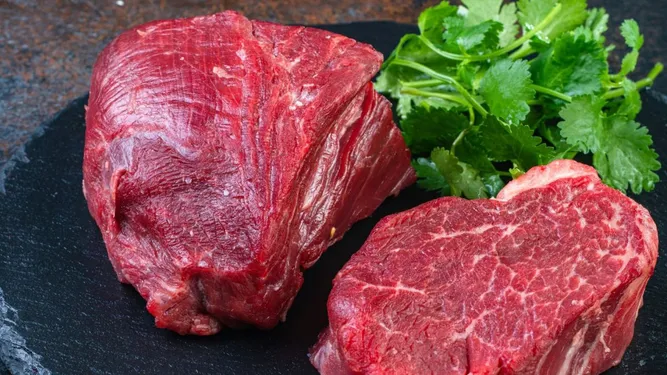
The European Union's new import rules on the use of certain antimicrobials came into force on September 3. Since Brazil is not included in the new list of countries that provide the necessary conformity assurances, the entry of various animal products, including beef, from Brazil into the EU has been stopped. The decision is directly implemented in Portugal, as in all member countries.
New European Union rules have come into force in Portugal affecting the supply of meat and some animal products imported from Brazil.
The regulation, which will be implemented as of September 3, 2026, introduces new conditions regarding the use of certain antimicrobial drugs in animals and animal products brought from countries outside the EU for human consumption.
Brazil is not included in the new EU list of third countries that provide the necessary assurance that they meet these conditions.
As a result, Brazilian beef, poultry and certain other animal products were stopped from entering the EU market.
Therefore, the decision is not just a national “Brazilian meat ban” made by Portugal. The regulation applied throughout the European Union also includes Portugal.
Why was Brazil removed from the list?
The basis of the decision is the rules applied by the European Union to animal production within the scope of combating antimicrobial resistance.
According to EU legislation, in order for countries outside the Union to export animals and animal products for human consumption to the EU market, they must be able to demonstrate that they comply with certain antimicrobial use rules.
These rules include not using antimicrobials to accelerate the growth of animals or increase productivity.
Additionally, some antimicrobials reserved for the treatment of certain infections in humans are not allowed to be used in animals.
These conditions have been in effect for manufacturers in the EU since 2022. The new system for imported products came into effect as of September 3, 2026.
Therefore, it is not correct to interpret the decision as "harmful substances were found in Brazilian meat".
The main issue is that Brazil has not provided the necessary assurance to demonstrate compliance with the new antimicrobial use requirements for products exported to the EU.
Not just beef
The restriction is not limited to beef from Brazil.
Poultry, eggs, honey and certain other animal products that Brazil exports to the EU are also affected under the new system.
The official list of the European Union evaluates product groups separately. In order for a third country to ship a particular animal product to the EU, it must meet the necessary conformity requirements in the relevant product category.
The ban does not have to be permanent
The current situation does not mean that Brazil will never be able to re-export these products to the European Union.
If Brazil shows that it complies with the necessary conditions and can provide the assurances requested by the EU, the resumption of exports may be paved.
For this reason, instead of a "permanent ban", it is more accurate to say that current imports should be suspended or Brazil should be excluded from the list of authorized countries.
What could change for consumers in Portugal?
The regulation concerns new products that will enter the EU as of September 3.
This does not mean that all Brazilian meat that entered the market legally in Portugal before September 3 was withdrawn from the shelves on the same day.
Therefore, consumers should not be expected to immediately stop encountering Brazilian products in stores or restaurants.
In the longer term, the halt in imports may affect the availability of Brazilian products. There are no confirmed official predictions at this stage as to the extent to which this will be reflected in meat prices or the supply of certain products in Portugal.
PTNEWSHUB REVIEW
It is not always easy to access halal slaughtered meat in Portugal. The hygiene conditions we encounter at some points that claim to sell halal meat may not inspire confidence. It is not yet clear how the suspension of imports from Brazil will affect the halal meat supply, but it is important that the options do not narrow further, especially for consumers looking for halal products.
PRACTICAL KNOWLEDGE
What does this decision mean?
Brazilian meat purchased before September 3 is not automatically declared unsafe. The reason for the regulation is not the detection of hazardous substances in a particular batch of meat, but the EU's new antimicrobial use and compliance requirements.
Existing products are not automatically recalled. Stopping imports is not the same as recalling all products on the market.
Origin can be controlled. For packaged meats, product origin information and other mandatory label information can be checked.
Halal certification is a separate issue. Just because a product comes from Brazil, Portugal or another country does not necessarily indicate halal slaughter. Consumers looking for halal products need to separately check the certification information of the product or seller.
REVIEWED SOURCES
The Portugal News — Bruno G. Santos, September 3, 2026: Source news titled “Brazilian meat banned in Portugal”. It conveys the consequences for Portugal of the EU's change regarding animal product imports from Brazil.
European Commission — Food Safety / EU antimicrobial rules for imports of animals and animal products: Official statement of the antimicrobial requirements to be applied as of 3 September 2026 on animals and animal products imported from countries outside the EU.
EUR-Lex — Commission Implementing Regulation (EU) 2026/1189: Official EU legislation regulating the system of authorized third countries and product categories to be applied from 3 September 2026.
EUR-Lex — Regulation (EU) 2019/6, Article 118: Key EU provisions on antimicrobials used to enhance growth or efficiency in imports from third countries and on certain antimicrobials reserved for human treatment.
Diário de Notícias / Lusa — September 1, 2026: News from Lusa regarding the suspension of meat imports from Brazil, Brazil's adaptation process and the statements on the European side.
Visit the original source to read full details.
Go to Source ↗