Diagnosis is Over, Now is the Time for Action: How to Close Portugal's 300 Thousand Housing Gap?
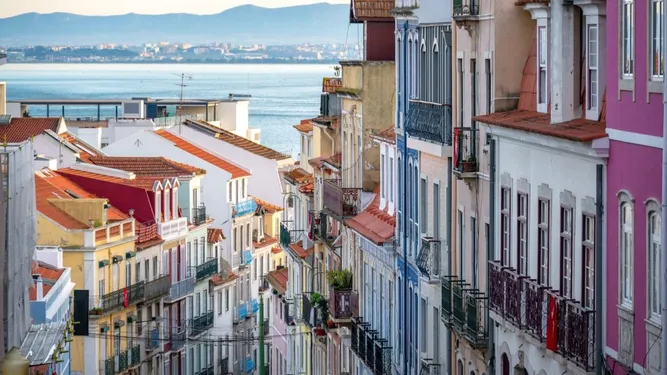
The housing crisis in Portugal has left no day unmentioned. No matter who we exchange a few words with on the street, the topic always comes back to the same thing: Rents have skyrocketed, house prices are many times higher than salaries, construction costs have skyrocketed, and it takes months, sometimes even years, to obtain a license.
The numbers can no longer be hidden. According to Morningstar DBRS data, the housing deficit accumulated in the country since 2014 has exceeded 300 thousand. So the diagnosis is very clear, everyone knows what the disease is. The real question is: How long will we discuss this picture that we already know by heart?
The solution is not just to erect a building from scratch
When we hear the words "housing supply should increase", only one scenario comes to mind in all of our minds: Find an empty land, draw the project, build a huge building from scratch. However, that is not the case at all.
Current research from across Europe points to a much more practical truth: We need to look at the buildings we already have before attempting construction from scratch. In the heart of cities, there are empty buildings that have been left to rot for years, idle commercial areas, old buildings that have lost their purpose, and historical residences waiting to be restored to their original state.
Renewing these structures and bringing them back to the market has the potential to create an additional housing capacity of between 50 and 107 million on a European scale. In a country like Portugal, where square meter pressure is at its peak, ignoring this opportunity is a great luxury.
It is necessary to do the order correctly
Of course, we also need new buildings; Nobody is saying that construction should stop completely. However, we cannot close this huge gap with just one move. The logic that will work in the field is actually quite simple and requires a down-to-earth sequence:
First, revitalize what you have: Quickly renew empty, neglected and idle buildings and make them livable.
Transform those that have lost their function: Turn commercial spaces and old offices that are no longer in business into residences.
Expand existing buildings: Intelligently increase the capacity of buildings suitable for zoning.
Build from scratch where there is a gap: Pave the way for new projects by reducing bureaucracy at points where demand is high.
For years, when it came to creating value in real estate, the only thing that came to mind was the "buy land, wait for permission, build a building" cycle. Now this routine has to be broken. The real value of the coming period will come from correctly understanding those old buildings and empty spaces lying idle on the streets and quickly transforming them into livable homes.
We know what the problem is, and it is clear what needs to be done. Instead of constantly talking and renewing the diagnosis, it is time to get rid of the bureaucracy and produce work in the field.
Source: Paulo Lopes
Image Source: envato elements / jkraft5
Visit the original source to read full details.
Go to Source ↗