In Portugal, social institutions sound a financial alarm: "What would happen to the elderly if these institutions did not exist?"
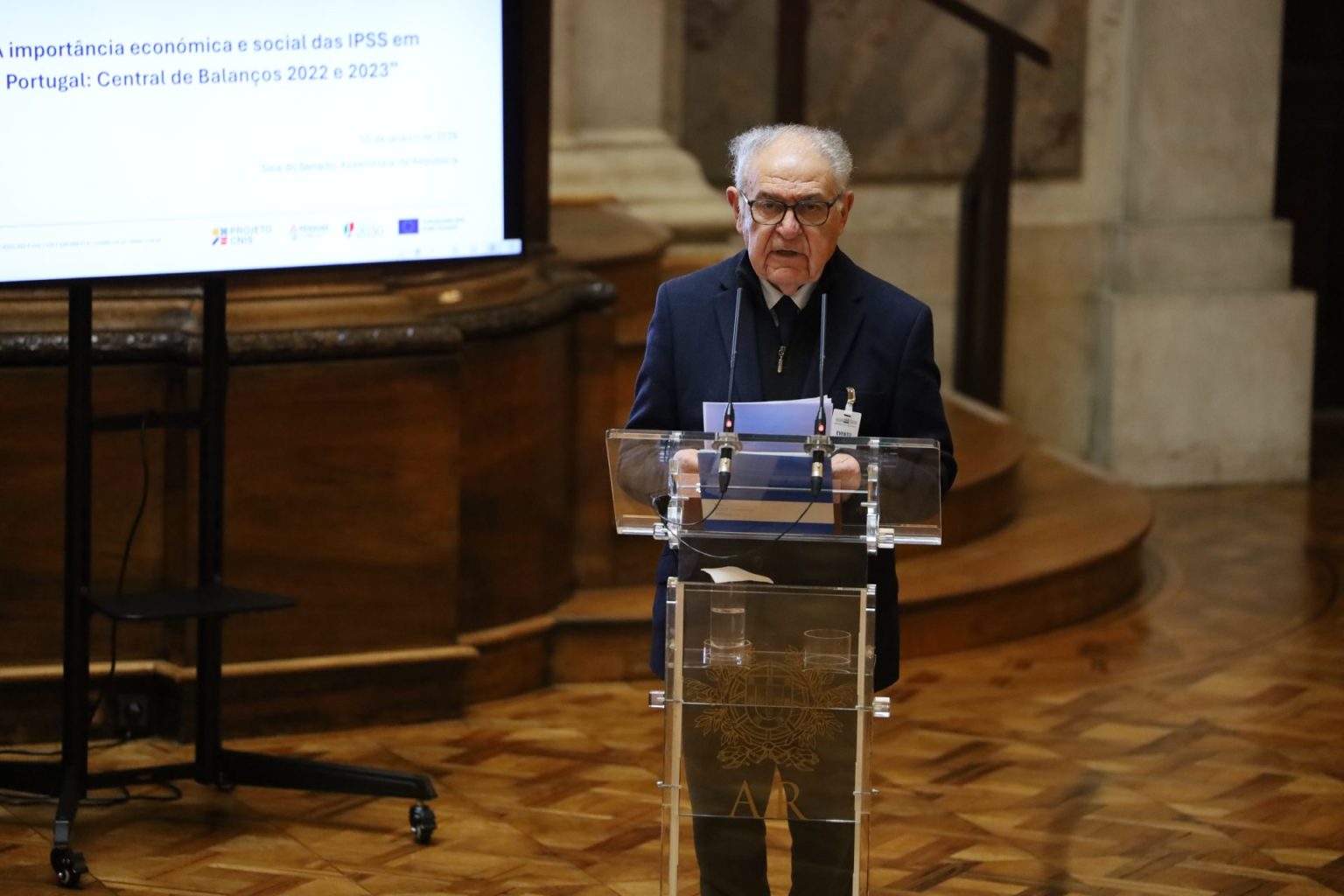
Social solidarity institutions, which play a critical role in caring for an aging population in Portugal, warn that the gap between rising costs and existing public funding is becoming unsustainable.
Confederação Nacional das Instituições de Solidariedade (CNIS) President Lino Maia stated that the current financing structure of the social protection system in the country is under increasing pressure and that state support should be increased.
According to the figure given by the President of the CNIS, approximately 78 percent of the social aid activities carried out in Portugal are carried out by such social solidarity institutions arising from the society.
More than 800 thousand people receive services from these institutions
The figures announced by Lino Maia show the size of IPSS and similar social institutions in Portugal.
According to the President of CNIS, more than 800 thousand people benefit from the services of these institutions.
There are more than 250 thousand employees in the sector and more than 20 thousand managers work.
A significant portion of these services are for the elderly, economically fragile people, and people who cannot sustain their daily lives independently.
Considering Portugal's aging population, the need for care is expected to increase, not decrease, in the coming years.
The state covers approximately 39 percent of expenses
According to the information provided by the CNIS President, approximately 39 percent of the expenses of the institutions are covered by the state. is welcomed.
The contribution of users and families is approximately 30 percent.
Lino Maia argues that the current revenue structure does not cover the total costs of institutions and a significant financing gap has arisen.
These figures are the CNIS President's assessment of the current financing structure of the sector; This does not mean that the state only covers 39 percent of all social expenditures.
What is in question here is the expense structure of IPSS type institutions.
Fuel price increase especially hits home maintenance
One of the biggest new costs facing organizations is fuel.
Especially teams working in home care services such as Serviço de Apoio Domiciliário need to reach many addresses every day.
The CNIS President says that in some rural areas, agency vehicles can travel more than 800 kilometers a day to provide home care services to only 30 people.
For this reason, the increase in fuel prices is not an ordinary transportation expense for social institutions.
The direct cost of providing the service.
It is not correct to say "the social state has collapsed"
The harshest statement in the CNIS President's statements is about the sustainability of the social state.
Lino Maia says he sees serious risks to the system if the current trend continues.
However, it would not be correct to interpret this as the Portuguese social state "collapsed" today.
In the middle, the social system of the government or an independent public institution There is no official assessment declaring it collapsed.
This is the warning about the funding model from the head of the CNIS, which represents institutions that provide the bulk of social services in Portugal.
Defense spending also entered the debate
Lino Maia also stated that he is concerned that Portugal's goals to increase defense spending will put pressure on social spending in the future.
However, there is no direct budget relationship here either.
There is no announced decision that the Portuguese government will cut the existing funding of social institutions and transfer a certain amount to defense.
The CNIS President expresses concern about possible competition between budget priorities in the future.
The issue is getting bigger for aging Portugal
The long-term side of the debate is Portugal's demographic structure.
As people live longer, the need for home care, day centers, nursing homes and other social services increases in older ages.
Most of these services are provided by IPSS, Misericórdias and other social institutions.
Therefore, the financing problem is not only related to the balance sheet of institutions.
If the service capacity of institutions decreases, the result may be directly reflected on the elderly, families and people in need of care.
For now, there is no announced service interruption across the country.
But the message from the CNIS is clear: with current cost increases If the gap in financing structure is not closed, the sustainability of social services provided to Portugal's aging population may become an increasingly big problem.
Resources
Agência ECCLESIA — CNIS: “Sem estas instituições, o que seria feito dos idosos?”, October 4, 2026
https://agencia.ecclesia.pt/portal/cnis-sem-estas-instituicoes-o-que-seria-feito-dos-idosos-padre-lino-maia/
Agência ECCLESIA — Presidente da CNIS alerta para risco de colapso do Estado Social, 4 October 2026
https://agencia.ecclesia.pt/portal/portugal-presidente-da-cnis-alerta-para-risco-de-colapso-do-estado-social/
CNIS
https://cnis.pt/
Visit the original source to read full details.
Go to Source ↗