Free RSV protection for babies has started in Portugal: Who will benefit, where will it be done?
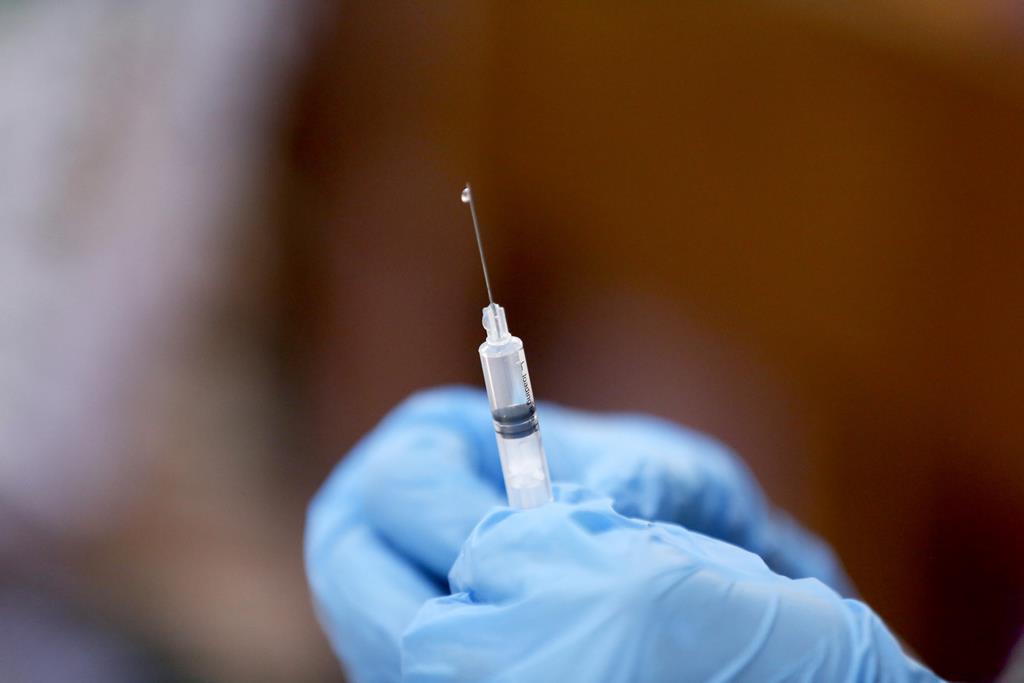
The 2026–2027 seasonal immunization campaign, which aims to protect babies against Respiratory Syncytial Virus (VSR/RSV) in Portugal, started on September 16. This year, the program was significantly expanded and, for the first time, turned into a universal application covering all babies born in the specified period.
According to the program of Direção-Geral da Saúde (DGS), the campaign will continue between September 16, 2026 and March 31, 2027.
All babies born between April 1, 2026 and March 31, 2027 are covered.
DGS has identified three basic eligibility groups.
The first and largest group consists of all children born between April 1, 2026 and March 31, 2027.
The second group includes premature children born between January 1 and March 31, 2026, at the latest on the 33rd week and 6th day of pregnancy. These children must not have been immunized before.
The third group includes children who have additional risk factors for severe RSV infection and will enter their second RSV season. These children must not be 24 months old as of September 30, 2026.
Where will it be applied?
The application varies depending on the child's birth date and risk group.
Immunization for eligible babies born after September 16 can be done at the maternity hospital.
Children born between April 1 and September 15, 2026 will be included in the program through Cuidados de Saúde Primários, that is, primary health centers.
For children who are premature or in the high-risk group, the practice should be done in a health center or can be performed in a hospital environment.
Is this a vaccine in the classical sense?
Although the program is often referred to as “RSV vaccine” in daily language, the technical distinction is important in terms of the protection applied to babies.
The DGS program defines this as “imunização contra o VSR”, that is, immunization against RSV. Babies are administered the long-acting monoclonal antibody nirsevimab, which provides direct protection against the virus.
This method aims to create protection by providing ready-made antibodies instead of waiting for the baby's immune system to produce its own antibodies, as in classical vaccines.
Why is RSV important?
RSV is one of the leading causes of serious respiratory diseases in babies, especially in the first months of life.
The virus can cause bronchiolitis and pneumonia and may require hospitalization in some babies.
The expansion of the 2026–2027 program to all eligible infants therefore constitutes a significant change in Portugal's childhood RSV prevention strategy compared to the previous risk-focused practice.
The program is free for eligible families.
Resources
Direção-Geral da Saúde — Norma n.º 004/2026, 2 September 2026
https://www.dgs.pt/paginas-de-sistema/saude-de-a-a-z/programa-nacional-de-vacinacao/imunoglobulinas-e-produtos-biologicos/imunizacao-contra-vsr/normas-e-orientacoes.aspx
Direção-Geral da Saúde — Frequently asked questions about VSR immunization questions
https://www.dgs.pt/paginas-de-sistema/saude-de-a-a-z/programa-nacional-de-vacinacao/imunoglobulinas-e-produtos-biologicos/imunizacao-contra-vsr/perguntas-frequentes.aspx
Renascença / Lusa — 16 September 2026
https://rr.pt/noticia/pais/2026/09/16/arranca-vacinacao-de-bebes-contra-o-virus-sincicial-respiratorio/485615/
Visit the original source to read full details.
Go to Source ↗