Portugal expands RSV protection in babies: New application starts on September 16
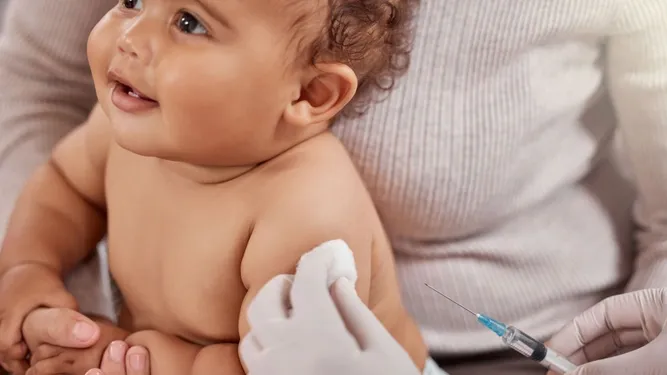
Portugal is expanding its program to protect babies from the severe consequences of respiratory syncytial virus (RSV/VSR). In the 2026–2027 campaign, which will start on September 16, all babies born between April 1, 2026 and March 31, 2027 are included in the scope of free nirsevimab application. The application is not a classic vaccine; A long-acting monoclonal antibody that provides ready-made antibodies to the baby.
The Portuguese General Directorate of Health (DGS) has published the rules for the 2026–2027 autumn-winter RSV immunization campaign.
The most important change of the new period is the expansion of the scope of babies who will enter the first RSV season.
According to Norma n.º 004/2026 published by DGS on September 2, all children born between April 1, 2026 and March 31, 2027 will be covered by the program.
The campaign will start on September 16, 2026 and continue until March 31, 2027.
The application will be free and voluntary.
Who will benefit?
DGS divides children into three main groups.
Group A:
All children born between 1 April 2026 and 31 March 2027.
Group B:
Premature children born between January 1–March 31, 2026, with a gestational age of 33 weeks + 6 days or less. In this group, there is a requirement to not have been immunized before.
Group C:
Children entering their second RSV season who have additional risk factors for serious RSV infection and who are less than 24 months of age by September 30, 2026.
The last group includes certain heart and lung diseases determined by DGS, pulmonary hypertension, neuromuscular diseases affecting breathing, some immune system problems and other serious risk factors.
For this reason, the suitability of children who will enter the second RSV season is evaluated not only according to age, but also according to the health criteria determined by the DGS.
It can be applied to babies born after September 16 in the delivery room.
According to the DGS program, immunization can be done in the birth room for babies born after September 16, 2026 and in Group A.
This practice is not limited to public hospitals only.
DGS states that nirsevimab will be provided in maternity hospitals in the public, private and social sectors participating in the program.
What about babies born before?
Babies born between April 1 and September 15, 2026 are not excluded from the program.
Immunization of these children will be carried out in primary health care services.
Additionally, a compensation program (repescagem) will be implemented between 16 September and 30 October. This program aims to protect eligible children born before the start of the new RSV season.
The application of other suitable children who are premature or have additional risk factors can be carried out in primary health care services or hospitals, depending on their condition.
Important detail: This is not a classic vaccine
Although the term "RSV vaccine" is sometimes used in daily language for nirsevimab to be administered to children against RSV, technically it is not a vaccine.
Nirsevimab is a long-acting monoclonal antibody.
The main difference is in how immunity is created.
Vaccines aim to stimulate the immune system so that the body itself develops a protective response and antibodies.
In Nirsevimab application, the baby is provided with ready-made antibodies against the virus. This is called passive immunity.
The aim is to reduce the risk of serious illness, especially in the first months of a baby's life when they are more vulnerable to RSV.
Why is RSV important for babies?
RSV is a respiratory virus that circulates widely, especially in autumn and winter.
Although the infection may be mild in many people, it can cause more serious lower respiratory tract diseases in young babies, premature babies, and children with certain chronic diseases.
One of the main aims of the DGS program is to reduce the risk of serious illness and hospitalization due to RSV, as well as to reduce seasonal pressure on healthcare services.
In the previous campaign in Portugal, the coverage rate for RSV immunization was reported to have reached over 90 percent. The rate in the previous campaign was 86 percent.
Can a child who has previously had RSV benefit from it again?
Yes, he can benefit if he meets the eligibility criteria.
The DGS clearly states that eligible infants and toddlers with prior RSV infection remain eligible for nirsevimab.
This is because previous RSV infection does not provide complete and permanent protection against reinfection.
What if the mother received the RSV vaccine during pregnancy?
There is an important exception here too.
According to the DGS, if the mother is vaccinated against RSV during pregnancy, in most cases the newborn or baby does not need to be additionally administered nircevimab.
However, different evaluations may be made in some risk groups and special cases.
Therefore, families who received RSV vaccine during pregnancy should evaluate the baby's suitability for nirsevimab with a healthcare professional.
PRACTICAL KNOWLEDGE
Campaign start: September 16, 2026
Campaign ends: March 31, 2027
Fee: Free
Participation: Voluntary
Babies born between April 1–September 15, 2026: Immunization in primary care.
Eligible babies born after September 16, 2026: Application in maternity wards.
Premature and children at additional risk: Primary healthcare or hospital, depending on the situation.
DGS also states that nirsevimab cannot be purchased from regular pharmacies within the scope of this campaign. The product is provided through health institutions determined by the program.
PTNEWSHUB REVIEW
The importance of vaccination and preventive health practices in public health is indisputable. Although the nirsevimab used in this program is technically not a vaccine but an immunization method that provides antibodies directly to the baby, the goal is an important part of the same preventive health approach: to protect children from the risk of serious disease as early as possible.
REVIEWED SOURCES
Direção-Geral da Saúde (DGS) — Norma n.º 004/2026, 2 September 2026 — Official rules of the 2026–2027 pediatric RSV seasonal immunization program.
Direção-Geral da Saúde (DGS) — RSV immunization Frequently Asked Questions — eligibility groups, administration sites, difference between nirsevimab and vaccine, children with prior RSV, and administration logistics.
RTP / Lusa — 4 September 2026 — start of the campaign on 16 September, expansion of coverage and previous season's coverage rates.
The Portugal News — Kam Heskin, 7 September 2026
Visit the original source to read full details.
Go to Source ↗