Expats in Portugal Turn to Skill-Based Card Games for Mental Engagement
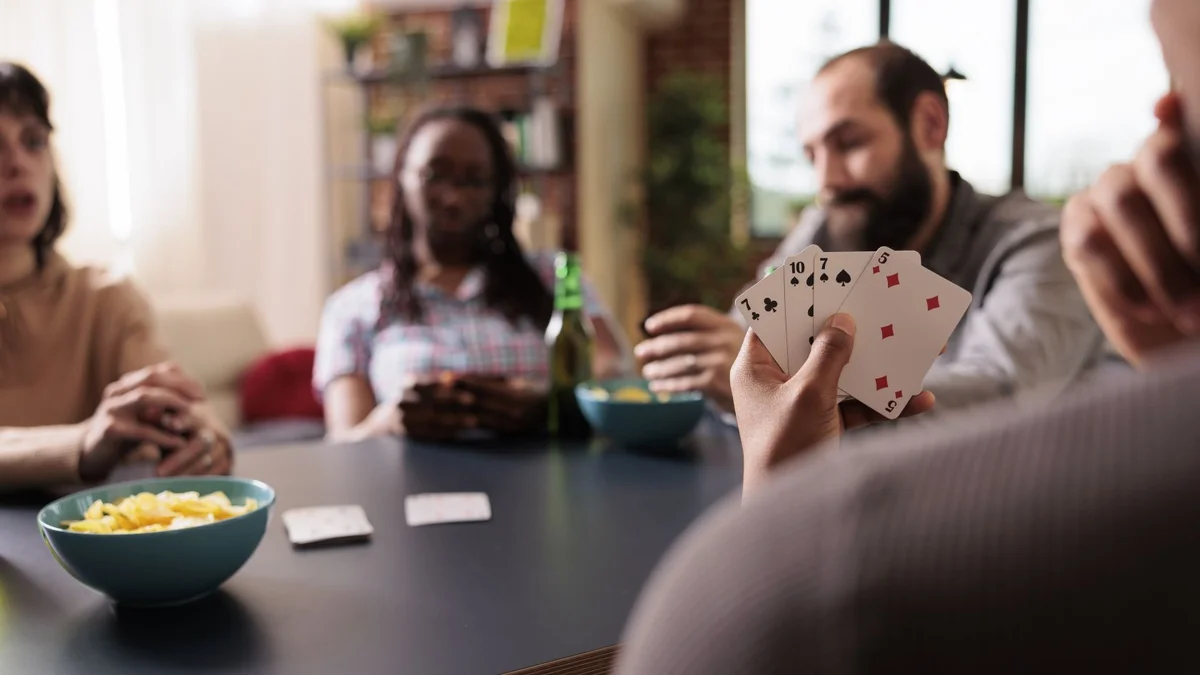
📌 Key Highlights & Context
- Expats are seeking leisure activities that provide mental stimulation rather than just distraction.
- Games like poker and bridge engage probability assessment, working memory, and pattern recognition simultaneously.
- Skill-based card games are becoming a key social hub for the international community in Portugal.
Breaking the Cycle of Passive Entertainment
Portugal's English-speaking residents have no shortage of ways to switch off. Streaming platforms, social media, and the usual scroll-and-sink routines are as available here as anywhere. But mentally engaging, socially rich leisure — the kind that leaves you sharper rather than merely distracted — is harder to stumble upon. A growing number of expats and long-term residents are finding it at the card table, where skill-based games offer something passive entertainment structurally cannot.
The Cognitive Appeal of Skill-Based Play
The editorial team at Poker Guru has spent considerable time observing how skill-based card games occupy a distinct category in adult leisure. Two things stand out from that vantage. First, games like poker and bridge engage probability assessment, working memory, pattern recognition, and opponent-modelling at the same time — a kind of cognitive demand that passive entertainment doesn't come close to placing on you.
Second, and more structurally, a skill-based game differs from a pure-chance game. That distinction matters to how these activities are perceived and practiced. For the expat community in Portugal, this shift represents more than just a hobby; it is a way to maintain mental sharpness and foster deeper social bonds within the local and international community.
- Cognitive Stimulation: Active engagement in strategy and probability assessment.
- Social Integration: Card tables serve as neutral ground for cross-cultural interaction.
- Mental Wellness: Regular play supports cognitive health and reduces digital fatigue.
Sources
Skill-Based Card Games Are Quietly Becoming Portugal's Most Rewarding Leisure Activity