Halal Certification in Portugal: New Export Gateway for Companies
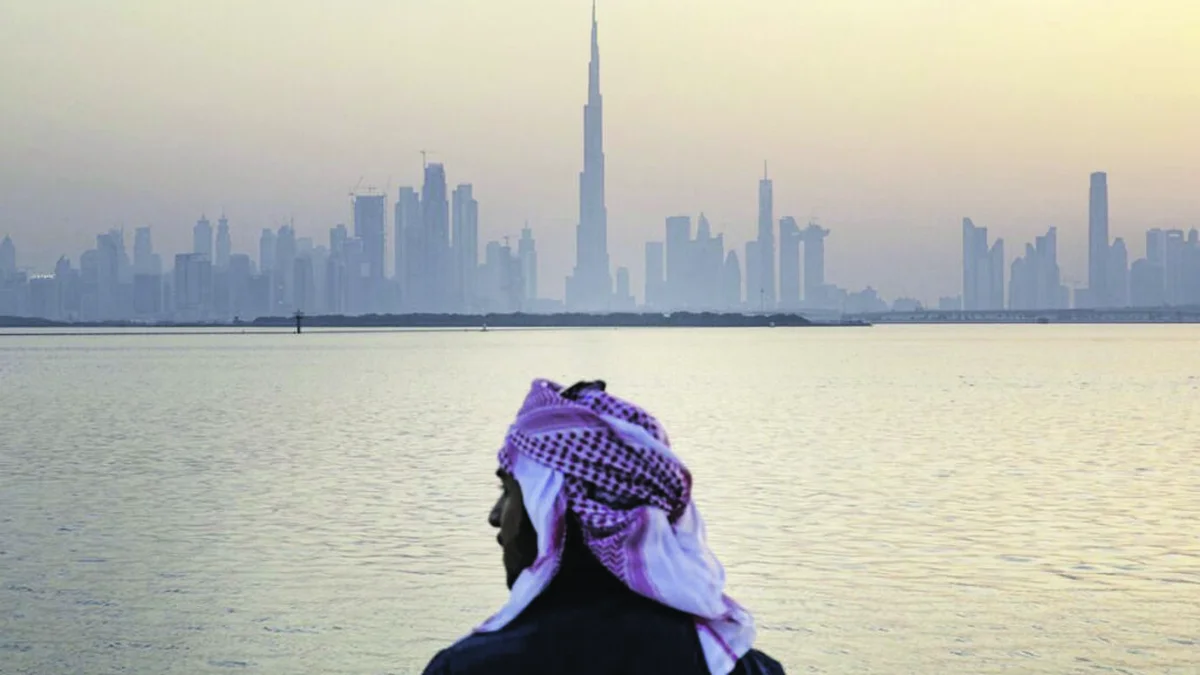
Portuguese firms can tap into Muslim consumer markets worldwide by obtaining Halal certification.
📌 Key Highlights & Context
- Halal certification offers a critical edge for entering Arab and Asian markets.
- The seminar, a joint effort of AEP, SGS Portugal and CCIP, took place on November 12.
- Attendees learned how Halal standards apply beyond food, into cosmetics, pharma, tourism and logistics.
The Strategic Value of Halal Certification
Halal means “permissible” under Islamic law and covers a broad range of activities beyond food, including cosmetics, pharmaceuticals, tourism and logistics. Products bearing the Halal mark can access major Muslim markets such as Saudi Arabia, the United Arab Emirates, Malaysia and Indonesia without trade barriers.
Seminar Highlights and Participants
Held on 12 November at AEP’s headquarters, the event gathered government officials, industry leaders and exporters. SGS Portugal explained the certification process and audit requirements, while the Islamic Cultural Council outlined the cultural and legal framework.
- Opportunities for non‑food sectors
- Export procedures and documentation
- Market research and target countries
The seminar underscored that Halal certification can be a strategic advantage for Portugal’s competitiveness in global markets.